
Est. 2005
+91-9910922899
Go Moringa Diet Clinic logo
Go MoringaDiet Clinic
Last reviewed · by Dt. Priyatama Srivastava
Healthy habits, started early

Child Nutritionist

Nutrition guidance for children — fussy eating, healthy growth, immunity and weight — built around the family kitchen, not around restriction.

5 Practo (279)20+ years · 10,000+ clients
Healthy habits, started early
Child Nutritionist
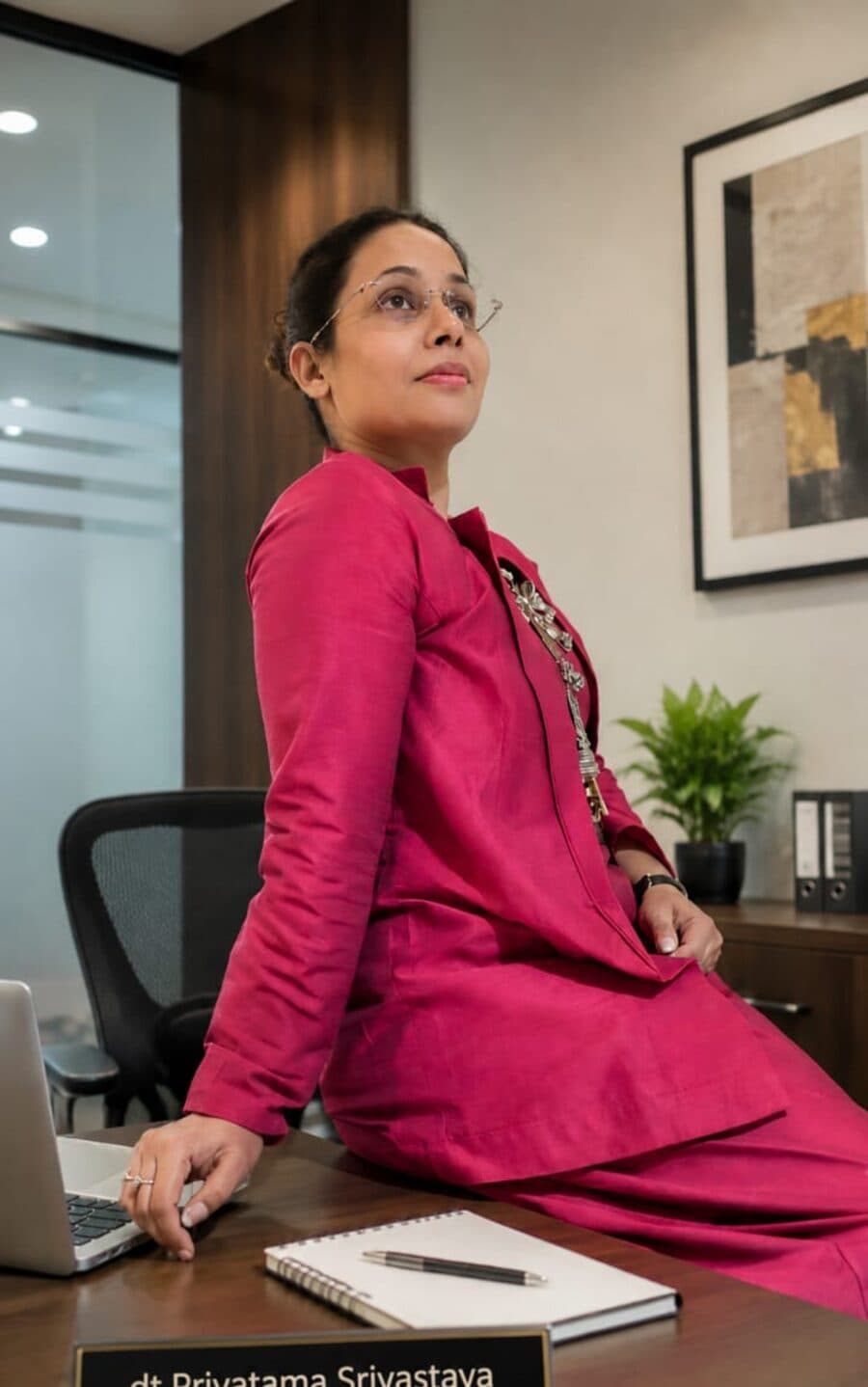
Dt. Priyatama Srivastava
Clinical Dietitian
The short answer

Children's nutrition is not adult dieting in a smaller portion. It is about building healthy eating habits that last a lifetime, supporting growth and immunity, and resolving the everyday struggles — the fussy eater, the constant junk-food pull, the child whose weight worries a parent. A child nutritionist's job is to do all of that gently, with the family, never through restriction that a child should not face.

No. 01

The fussy eater

Few parenting struggles are as draining as a child who refuses to eat. The clinic's approach is practical — understanding the real causes, widening the accepted-food list gradually, presenting familiar Indian foods in ways children take to, and reducing mealtime conflict. The goal is a child who eats well, not a child who is forced.
No. 02

Growth, immunity and energy

Children need the right nutrients to grow, build immunity and stay energetic through school and play. Plans focus on adequate protein, iron, calcium, vitamins and whole foods — and on correcting deficiencies that show up as frequent illness, low energy or poor concentration.

No. 03

Childhood weight — handled with care

Childhood overweight is a genuine and growing concern, but it must be handled very differently from adult weight loss. Children are still growing, so the focus is on healthy habits, balanced family meals, reduced ultra-processed food and active routines — never on calorie-cutting or restrictive dieting. Where weight is a medical concern, the approach is coordinated with the child's paediatrician.

No. 04

Less junk, without a battle

Packaged snacks, sugary drinks, biscuits and fast food are everywhere in a child's world. The plan does not declare war on them — it crowds them out, with appealing Indian alternatives, sensible structure and habits the whole family shares, so the change does not single the child out.

No. 05

It works best as a family

A child eats what the household eats. Plans are built for the family table — so a healthy change is something the whole family does together, which is both kinder to the child and far more likely to last.

How it works

Four steps, start to plan.

01

Assessment

Your child's growth, eating patterns, health history and any concerns are discussed with the parent.

02

Family-friendly plan

A practical plan of Indian meals and habits built for the child within the family kitchen.

03

Gentle change

Habits shift gradually — the accepted-food list widens, junk is crowded out, mealtimes ease.

04

Review together

Progress is reviewed with the parent and the plan adjusted as the child grows and responds.

A sample day

What a day on the plan looks like.

Morning
Breakfast
Vegetable poha, idli, paratha with curd, or besan cheela — a protein-inclusive start
Mid-morning
School snack
A fruit, or homemade snack — roasted chana, makhana, a small sandwich
Afternoon
Lunch
Roti or rice, dal, a vegetable the child accepts, curd — balanced and familiar
Evening
After play
Milk; a homemade snack rather than a packaged one
Night
Dinner
A simple, balanced family meal — roti, sabzi, dal, or khichdi

Illustrative only. A child's plan is built around their age, growth, food acceptance and any health concerns — and is never restrictive. Where weight or a medical issue is involved, the approach is coordinated with your paediatrician.

Before you book

Questions, honestly answered.

01When should I consult a child nutritionist?
Common reasons are a persistently fussy eater, concerns about growth or low energy, frequent illness, an over-reliance on junk food, or a paediatrician flagging a weight concern. A nutritionist helps build healthy, lasting habits for the whole family.
02How do you help with a fussy eater?
By understanding the real causes, widening the accepted-food list gradually, presenting familiar Indian foods in child-friendly ways, and reducing mealtime conflict — so the child eats well rather than being forced.
03Should an overweight child be put on a diet?
Not in the adult sense. Children are still growing, so the focus is on healthy habits, balanced family meals, less ultra-processed food and active routines — never calorie-cutting or restrictive dieting. Where weight is a medical concern, the plan is coordinated with the child's paediatrician.
04Do both parents and child need to change how they eat?
It works best that way. A child eats what the household eats, so plans are built for the family table — a healthy change the whole family makes together is kinder and far more likely to last.
05Is the consultation available online?
Yes. Children's nutrition is guided online for families across India — a video discussion with the parent, a written plan, and reviews as the child grows.
Related at the clinic

Keep reading.

Reviewed and approved by
Dt. Priyatama Srivastava

Dt. Priyatama Srivastava

Dietitian & Nutritionist · 20+ years

20+ years of clinical practice in Gurgaon. 10,000+ clients across India and worldwide.

★ Practo 5 · 279★ Justdial 4.9 · 699

Clinically reviewed ·

Begin

The first conversation is free.

Fifteen minutes on WhatsApp to discuss your goal. No commitment, no payment upfront — we tell you honestly whether a plan is the right fit.

WhatsApp
Call clinic