
No. 01
1 in 10
Indians have a thyroid disorder
Source · Indian thyroid prevalence studies
Thyroid disorders are increasingly common in Indian women — and the right diet, combined with proper medication timing, dramatically improves how patients feel day-to-day. Our thyroid protocol focuses on the inflammation that drives most hypothyroid cases, the nutrients the thyroid needs (iodine, selenium, zinc, vitamin D, B12), and the food-medication timing that determines how well levothyroxine actually works.

The thyroid is a butterfly-shaped gland in the neck that regulates metabolism, energy, body temperature, weight, and mood. Hypothyroidism (underactive) is the most common form in India — symptoms include fatigue, weight gain (especially despite normal eating), cold intolerance, hair fall, dry skin, constipation, brain fog, and irregular periods. Hashimoto's thyroiditis is the autoimmune form of hypothyroidism. Hyperthyroidism (overactive) is less common but causes weight loss, palpitations, anxiety, heat intolerance, and tremors. Subclinical thyroid issues (borderline TSH) are extremely common and benefit substantially from dietary intervention.
Thyroid diet works through: (1) reducing inflammation that underlies autoimmune thyroiditis, (2) providing the micronutrients the thyroid needs (iodine, selenium, zinc, tyrosine, iron), (3) supporting gut health since 20 percent of thyroid hormone is converted in the gut, (4) timing meals around medication so levothyroxine is absorbed properly (this is often the biggest single fix), and (5) supporting weight loss against the metabolic slowdown hypothyroid patients experience. Most clients see noticeable energy improvement within 4-6 weeks; TSH normalisation typically follows by 3 months.
A reference structure. Your actual plan is customised after individual assessment.
| Medication only, no diet support | Medication + diet + meal-timing optimisation | |
|---|---|---|
| TSH levels | Often borderline-controlled | Reaches optimal range |
| Energy levels | Inconsistent | Steady improvement |
| Hair, skin, weight | Slow improvement | Visible improvement in 3-4 months |
| Medication absorption | Suboptimal if timing wrong | Optimal — proper timing |
| Autoimmune (Hashimoto's) markers | Not addressed | Anti-inflammatory diet helps |
Medication timing corrected (most impactful first step). Anti-inflammatory eating begins.
First repeat thyroid panel shows improvement. Energy, weight, sleep noticeably better.
TSH stable in optimal range. Hair, skin, energy fully recovered. Medication dose often optimised by endocrinologist.
Selected peer-reviewed papers, clinical guidelines and Indian regulatory sources that inform this protocol.
The 30–60 minute pre-meal window for levothyroxine absorption is the single most-missed factor in thyroid management.
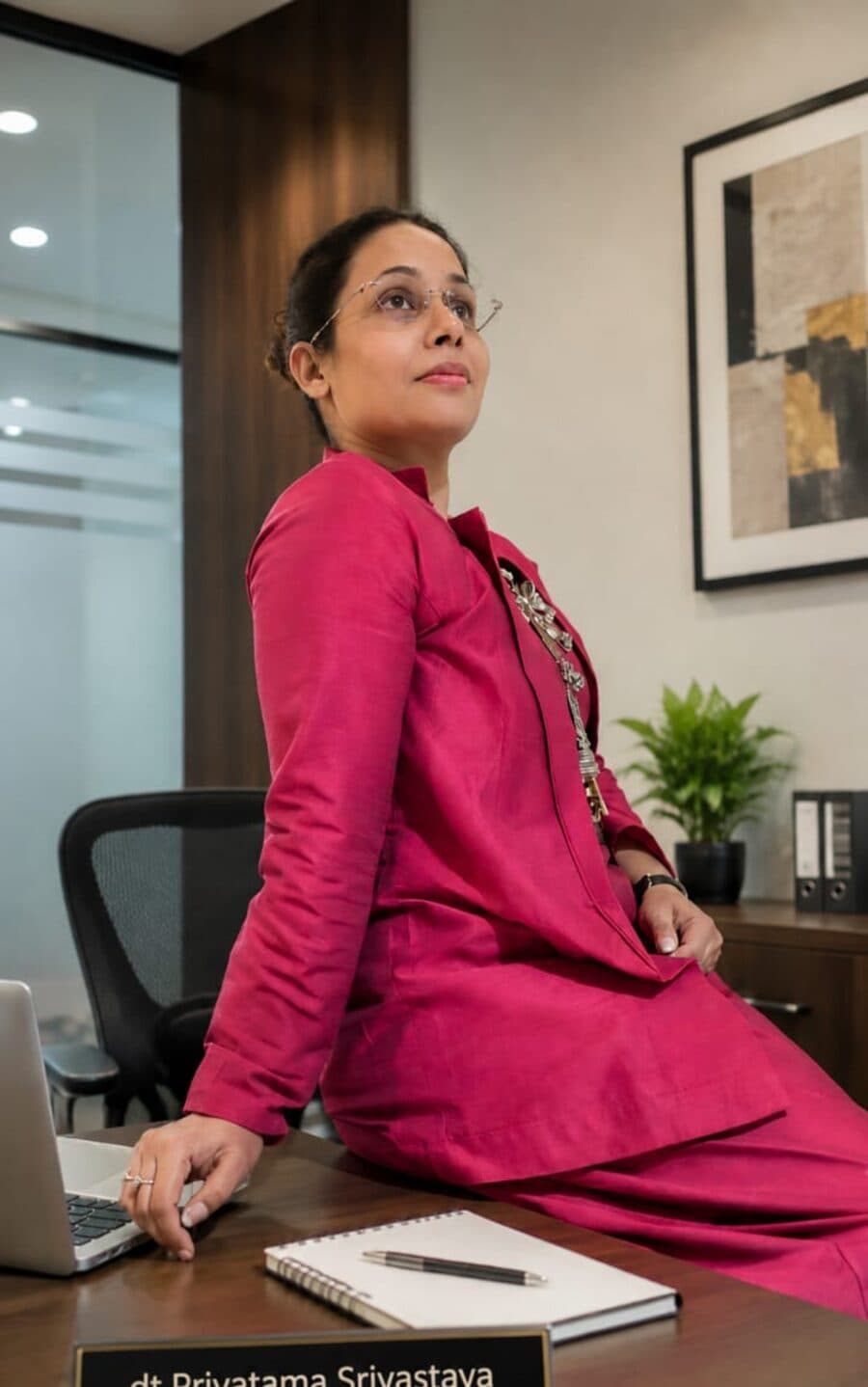
Dietitian & Nutritionist · 20+ years
20+ years of clinical practice in Gurgaon. 10,000+ clients across India and worldwide. Thyroid management has been a clinical focus for over 15 years.
Clinically reviewed ·
Each protocol page connects to the recipes, blog essays and conditions that overlap with it. Follow the threads — every line in this practice routes to two or three others.
Marinated mushroom and vegetable skewers grilled to perfection — a sophisticated, low-calorie snack that's …
ReadA traditional Indian immunity-booster — amla (Indian gooseberry) juice with honey, ginger, and a hint of bl…
ReadConsult Dietitian Priyatama Srivastava at Go Moringa for expert PCOS, thyroid, and diabetes diet plans. Ach…
ReadStruggling with thyroid issues? Get a balanced diet plan from Go Moringa, the top dietician in Gurgaon, for…
ReadPCOS / PCOD affects roughly 1 in 5 Indian women of reproductive age — and in Gurgaon's young female populat…
ReadClinical nutrition for chronic conditions — diabetes, hypertension, thyroid, kidney, heart, PCOS. Diet that…
ReadFifteen minutes on WhatsApp to discuss your case. We will tell you honestly whether dietary intervention is appropriate for what you are working on.