
No. 01
1 in 5
Indian women of reproductive age affected
Source · Indian endocrinology surveys
PCOS / PCOD affects roughly 1 in 5 Indian women of reproductive age — and in Gurgaon's young female population, we see this every single week. Dietary intervention is the most evidence-backed first-line treatment.

Polycystic Ovary Syndrome (PCOS) and Polycystic Ovarian Disease (PCOD) are hormone-related conditions causing irregular periods, weight gain (especially abdominal), acne, hair fall, excess facial/body hair, mood swings, and difficulty conceiving. The underlying mechanism involves insulin resistance, elevated androgens, and chronic low-grade inflammation. PCOS often runs alongside hypothyroidism, vitamin D deficiency, and a tendency toward Type 2 diabetes — making dietary intervention even more impactful. Symptoms typically appear in late teens or early 20s, but diagnosis often comes much later.
PCOS diet works on three fronts: (1) reducing insulin resistance through low-glycaemic carbohydrate choices, regular meal timing, and weight loss; (2) lowering chronic inflammation through anti-inflammatory foods and elimination of common inflammatory triggers; (3) supporting hormonal balance through adequate protein, healthy fats (essential for hormone production), and micronutrients like inositol-rich foods, zinc, magnesium, and vitamin D. Most PCOS clients see cycle regulation within 3-6 months and visible improvements in skin, hair, and energy within 2-3 months.
A reference structure. Your actual plan is customised after individual assessment.
| Hormonal medication only | Diet + lifestyle (often with medication) | |
|---|---|---|
| Symptom suppression | Yes (while on medication) | Yes, and addresses root cause |
| Weight impact | Often increases | Typically decreases |
| Fertility outcomes | Variable | Often improved |
| Long-term sustainability | Low (rebound on stopping) | High |
| Side effects | Common (mood, weight, headache) | Minimal |
Insulin sensitivity starts improving. Cravings reduce. Sleep improves.
Cycles begin to normalise for most clients. Acne and hair fall start improving.
Sustained regular cycles. Fertility improvements. Body composition shift visible.
Selected peer-reviewed papers, clinical guidelines and Indian regulatory sources that inform this protocol.
Current global clinical guideline — diet + lifestyle as first-line intervention.
Meta-analytic evidence for low-GI dietary intervention in PCOS.
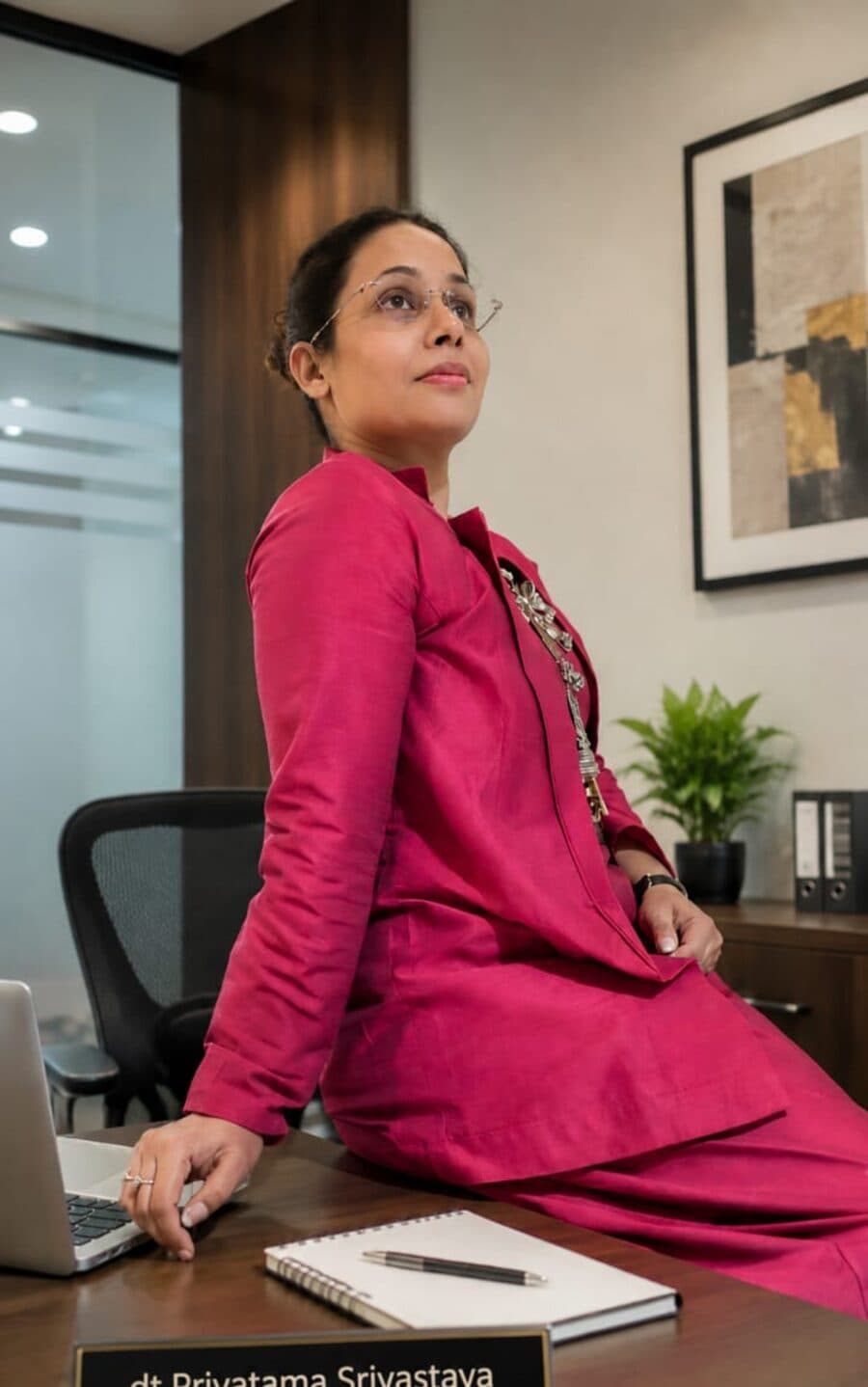
Dietitian & Nutritionist · 20+ years
20+ years of clinical practice in Gurgaon. 10,000+ clients across India and worldwide. One of our highest-volume programs — PCOS represents 20%+ of female clients.
Clinically reviewed ·
Each protocol page connects to the recipes, blog essays and conditions that overlap with it. Follow the threads — every line in this practice routes to two or three others.
A high-protein, fibre-rich vegetarian snack made with soya granules, vegetables, and aromatic spices. Pan-f…
ReadMarinated mushroom and vegetable skewers grilled to perfection — a sophisticated, low-calorie snack that's …
ReadConsult Dietitian Priyatama Srivastava at Go Moringa for expert PCOS, thyroid, and diabetes diet plans. Ach…
ReadStruggling with thyroid issues? Get a balanced diet plan from Go Moringa, the top dietician in Gurgaon, for…
ReadThyroid disorders are increasingly common in Indian women — and the right diet, combined with proper medica…
ReadClinical nutrition for chronic conditions — diabetes, hypertension, thyroid, kidney, heart, PCOS. Diet that…
ReadFifteen minutes on WhatsApp to discuss your case. We will tell you honestly whether dietary intervention is appropriate for what you are working on.